
Gabions & Earth Retention
Stone and steel, working with the ground.
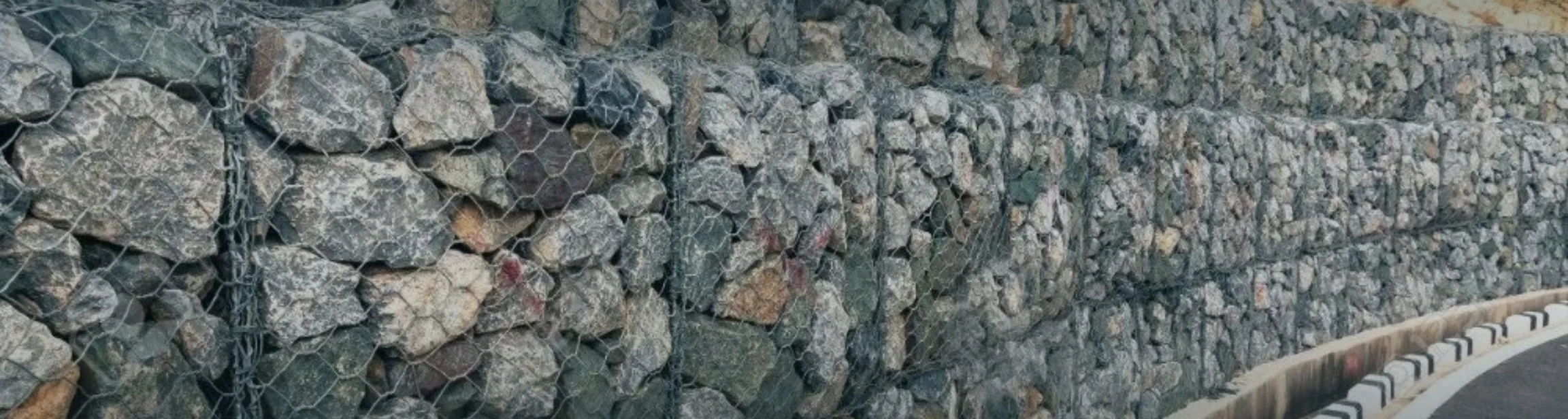
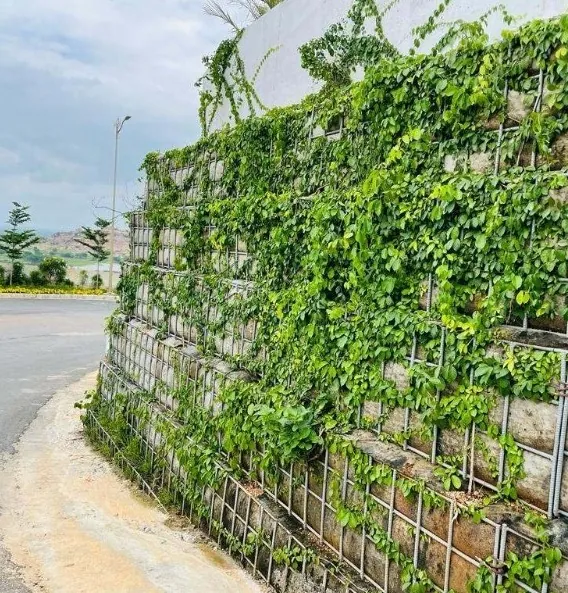
Gabion wall along a curved road
Gabion structures and reinforced soil walls that retain earth, line channels and protect banks.
Retaining walls here are of two kinds. Gabion walls are gravity structures made of stone-filled baskets. Reinforced soil walls use layers of reinforcement in compacted fill, with a facing chosen for appearance, durability and site.
Both are built from flexible, free-draining materials, and both are suited to the conditions where rigid structures struggle: soft foundations, wet ground and remote sites.
Steel Gabions
Galvanised or coated baskets filled on site with stone for erosion control and retention.
Gabions are wire-mesh baskets filled with stone at the site. Once filled they act as a large, flexible block that drains freely and tolerates movement in the ground beneath. Wire coating (galvanised, or galvanised with a polymer coat) is chosen for the exposure. The stone needs to be hard, durable and of a size larger than the mesh opening.
Canal & Riverbank
Channel lining, pier scour protection, flood control and bank rehabilitation.
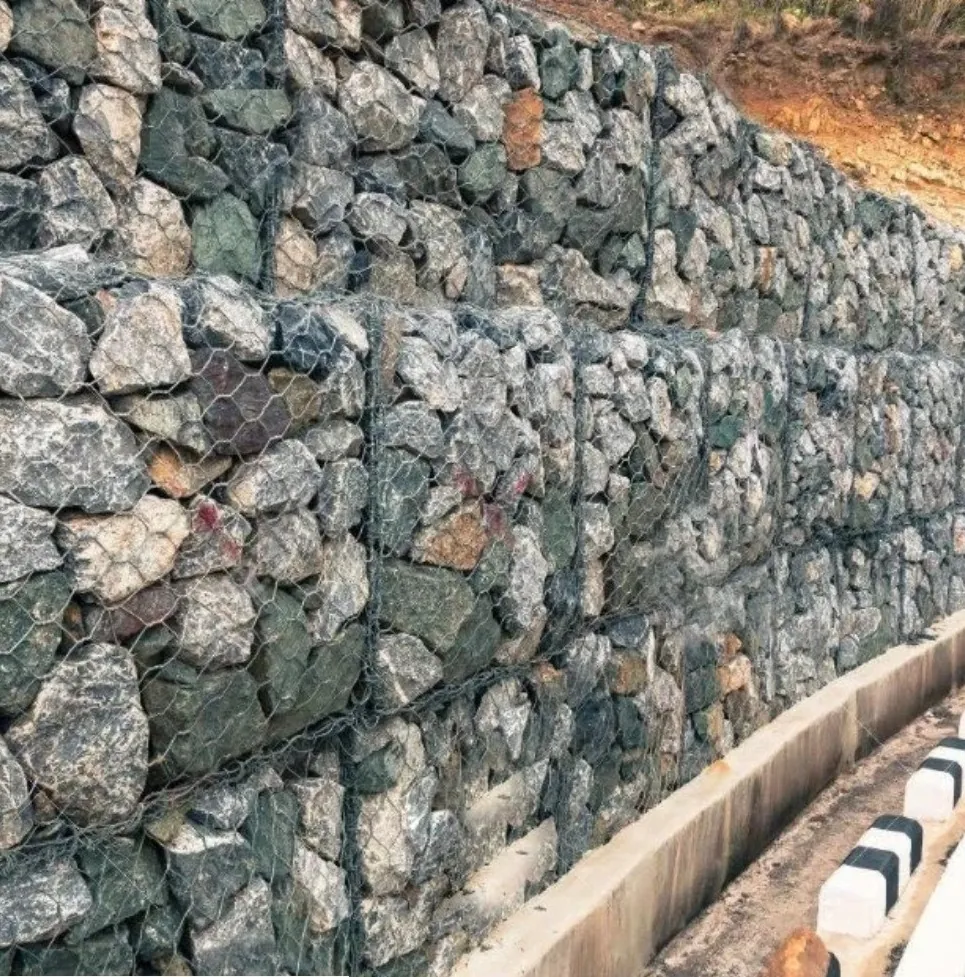
Gabion mattresses and baskets protect the bed and banks of channels against flowing water. They are used to line canals, to wrap bridge piers against scour, to rebuild eroded banks and to form check structures. A filter layer beneath keeps the soil in place. The basket type and the stone size are set by the flow velocity the structure has to resist.
Gabion Walls
Stacked, wire-tied gabions, stepped back into the slope as a gravity structure.
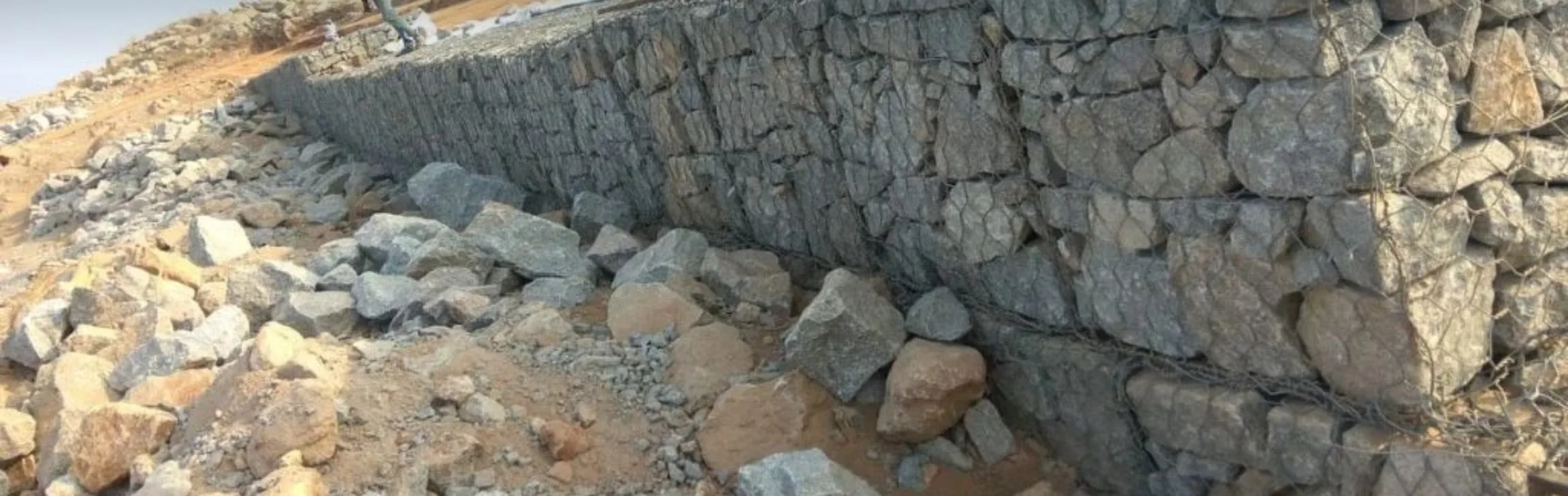
Baskets are stacked in courses and tied together, with each course stepped back into the slope. The wall resists earth pressure by its own weight. Because it is permeable it does not build up water pressure behind the face, and it accepts some differential settlement without cracking. Heights are limited by the foundation and the stability checks, and tall walls can be reinforced.
RE Walls, Blocks & Panels
Geogrids, strips or para-links behind a segmental block or precast panel face.
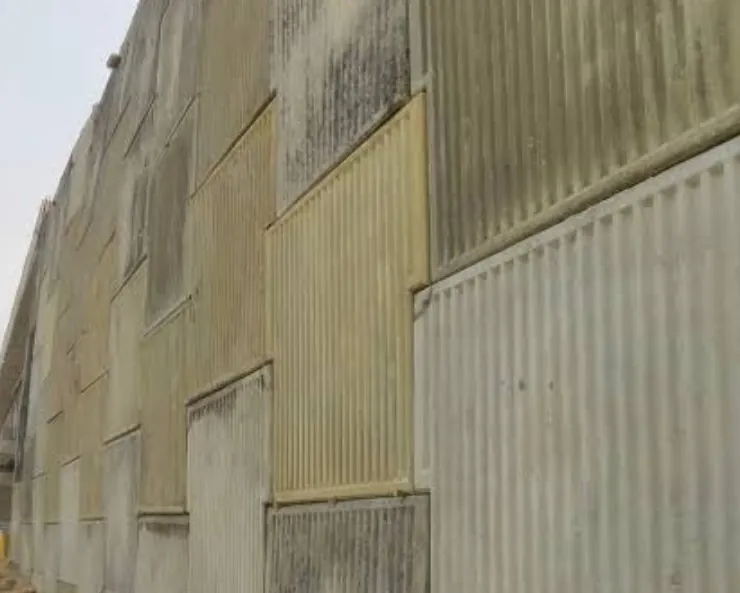
Layers of reinforcement run back from the facing into compacted fill. Soil and reinforcement act as a single mass, and the facing only needs to hold the soil at the surface. The facing can be segmental blocks or precast panels. This is the usual system for high embankments and bridge approaches. Fill quality and compaction control matter as much as the reinforcement.
RS Wall, Gabion Fascia
Robust, free-draining and natural, with reinforcement tied into the gabion face.
The reinforcement is tied into gabion baskets that form the face. The result is a reinforced soil wall with a free-draining stone face that is robust against impact and weather and that suits a natural setting. The gabion facing also tolerates settlement better than a rigid panel.
RS Wall, Weld Mesh Fascia
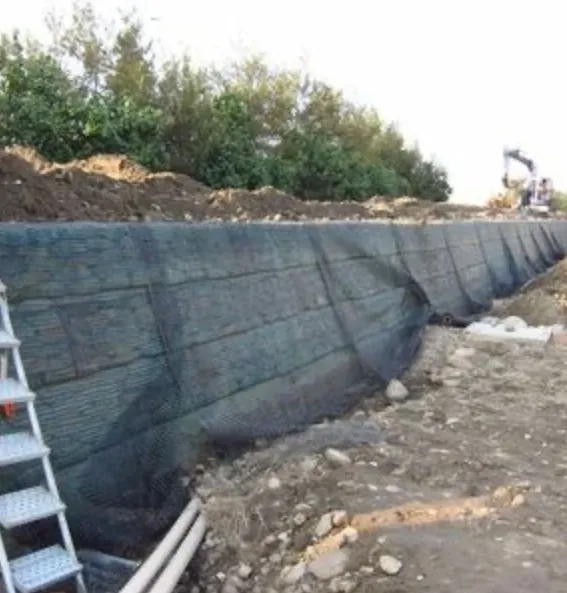
Welded mesh wrapped in geotextile, finished with stone or soil.
A welded mesh panel forms the face of each lift. Geotextile wraps the inside of the mesh to retain the fill, and the face is finished with stone or topsoil. It builds quickly and can be vegetated. The face can be vertical or slightly battered, and the system is flexible enough to follow minor movement.
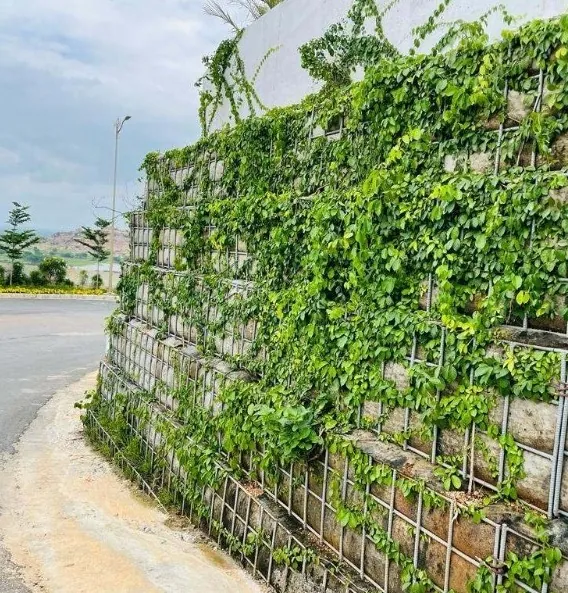
Green-Fascia Walls
Geocells, geo-bags, grids or coir, stepped back and finished green.
Where a wall should look like part of the landscape, the face is built from geocells, geo-bags, grids or coir, stepped back and planted. The planted face covers the geosynthetics and reduces surface erosion. It suits embankments and slopes of moderate height. Plant selection and early watering are part of the specification.
Selection guide
Gabion wall or reinforced soil wall?
Gabion walls
- Flexible, tolerates differential settlement
- Free-draining, no hydrostatic build-up
- Filter fabric keeps retained soil in place
- Face can vegetate over time
Reinforced soil walls
- Suited to high embankments and bridge approaches
- Panel, block, gabion or mesh facing
- Reinforcement length set by design
- Rapid, repeatable construction
Why gabions
Flexible
Settles without cracking
Permeable
Relieves water pressure
Durable
Resists weather and water
Green
Vegetates naturally
Economic
Low upkeep, easy in remote sites
We compare both options for your site and recommend the best-value wall.
Where this family works
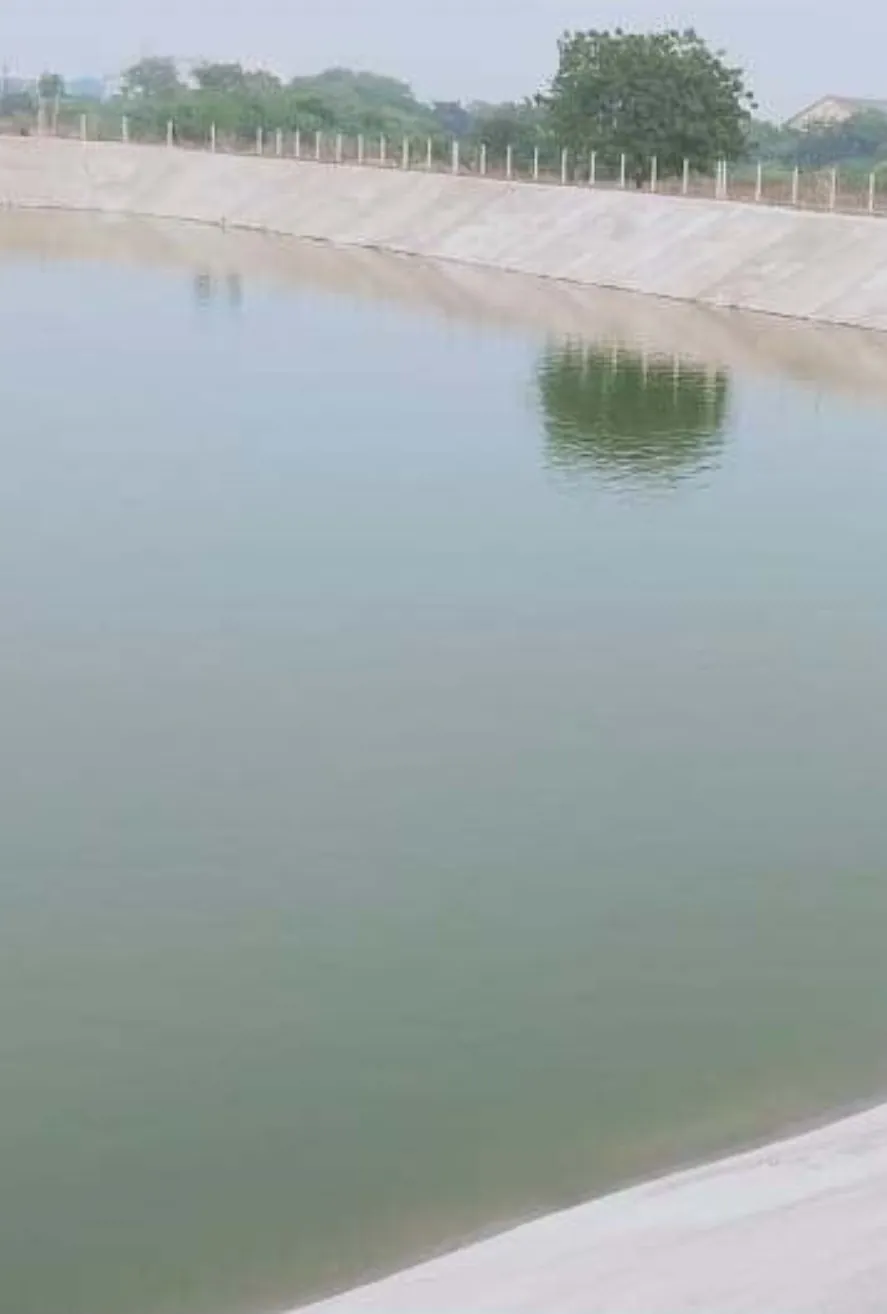
Rivers, Canals & Irrigation
Bank protection, canal lining, check dams and pier scour protection.
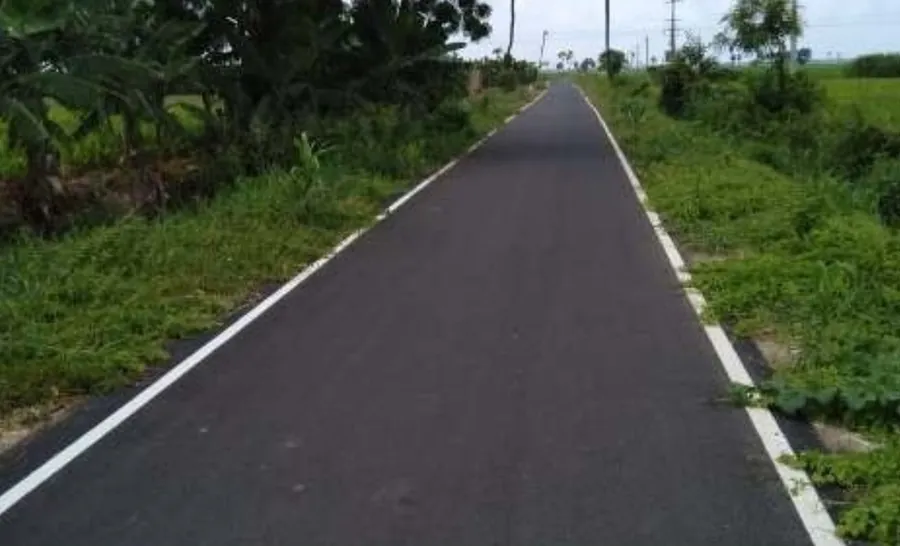
Roads, Highways & Rail
RS walls and embankments, weak-subgrade stabilisation and cut-slope protection.
Industrial & Urban
Retaining structures, ground improvement, ponds and pipeline protection.
Planning gabions & earth retention works?
Send the plan or section, the soil or rock report and the design loads. We typically respond within one working day.