
Geosynthetics
Reinforce. Separate. Filter. Drain.
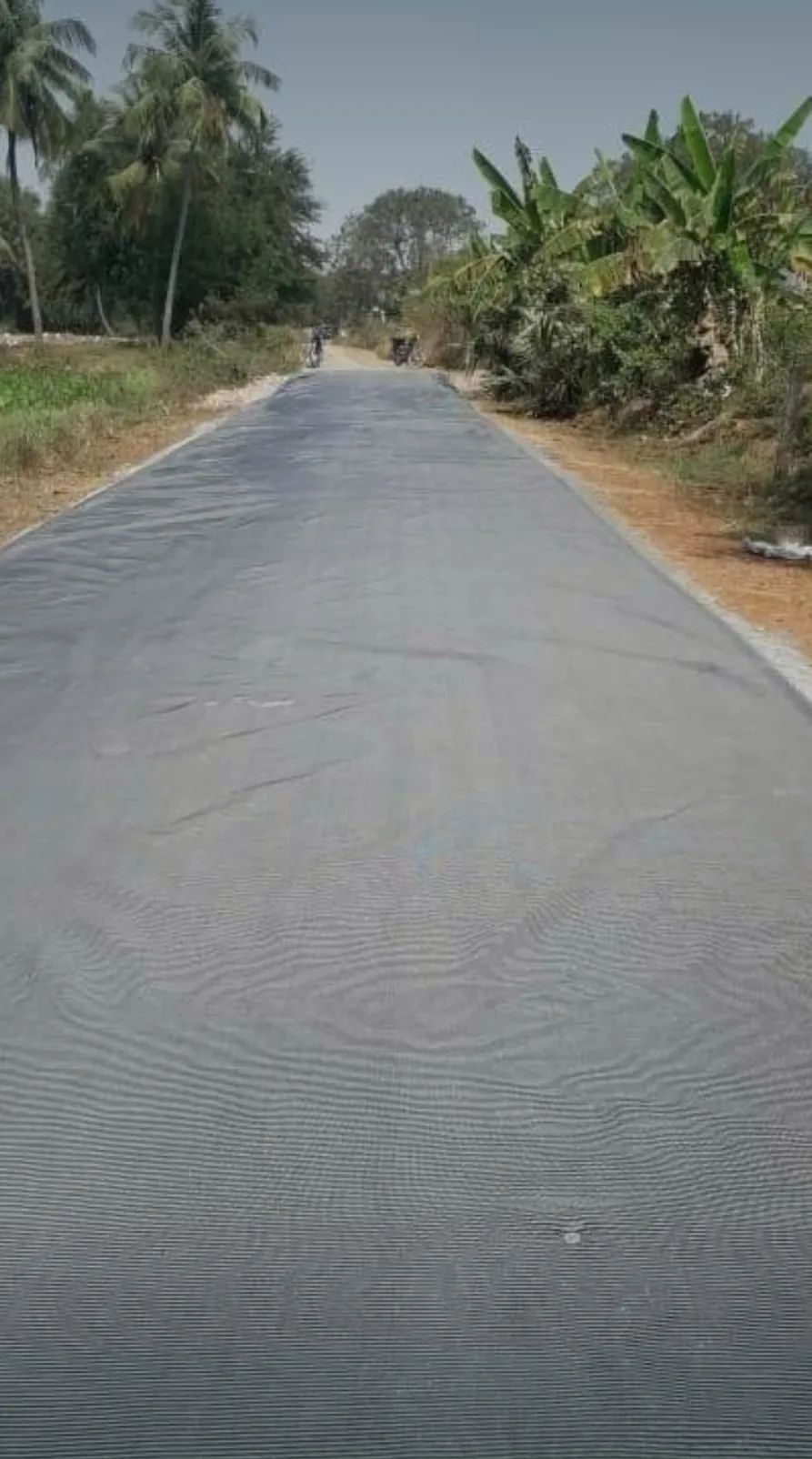
Polymer and natural-fibre materials engineered for a specific job in the ground.
A geosynthetic does one or more of four jobs in the ground: it reinforces, separates, filters or drains. Choosing the material starts with the job, then the soil, then the load.
We supply the full range of geosynthetics for civil works and help engineers match grade to application. Founded in 2006 to bring geosynthetics into mainstream use in India, the company still starts every enquiry from the function the material has to perform.
Geotextiles
Woven and non-woven fabrics for separation, filtration and protection.
Geotextiles are permeable fabrics placed in or on the ground. Non-woven grades separate, filter and protect. Woven grades add tensile strength. The grade is selected for the job: mass per unit area, tensile strength, puncture resistance and permittivity are matched to the soil and the load. Overlaps and fixing details decide how well the fabric performs once it is covered.
Geogrids
Grids that interlock with fill to carry tensile load in walls and slopes.
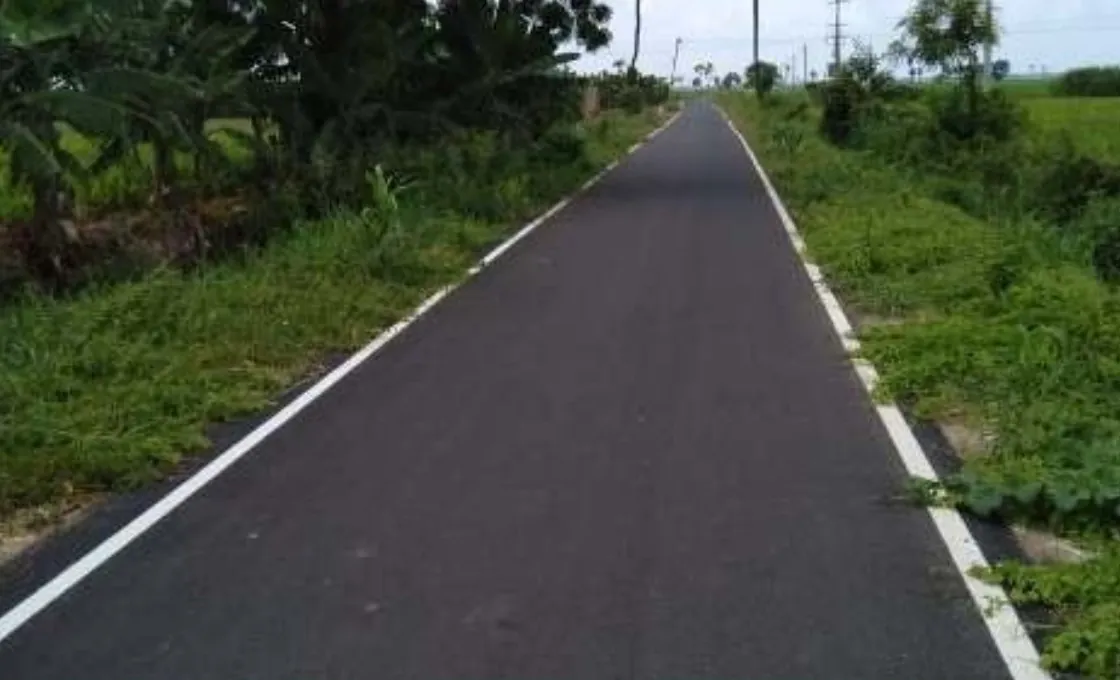
Geogrids are open grids whose apertures interlock with the surrounding fill. The grid takes tensile load that the soil cannot. They are used as reinforcement in retaining walls, steep slopes and embankments over weak ground. Long-term design strength allows for creep, installation damage and the environment, and these factors are applied to the short-term strength.
Biaxial Geogrids
Equal strength both ways, for bases over weak subgrades.
A biaxial geogrid has the same strength in both directions. It is placed within or beneath granular base layers on weak subgrades. It confines the aggregate, reduces the base thickness needed and spreads wheel loads. Typical uses are haul roads, yard areas and low-volume roads.
Geomats
3D matting that holds soil and roots vegetation on slopes.
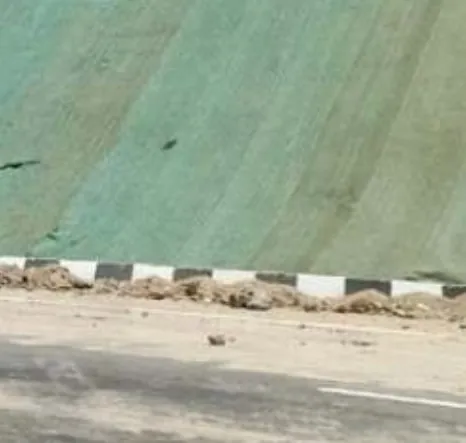
A geomat is a three-dimensional mat with open space for soil and roots. It protects the surface against rain and flow while vegetation establishes, and the roots then anchor into the mat. Geomats suit embankments, cut slopes and channel linings where grass is the finished surface.
Geocells
Honeycomb cells that confine fill on slopes, channels and weak ground.
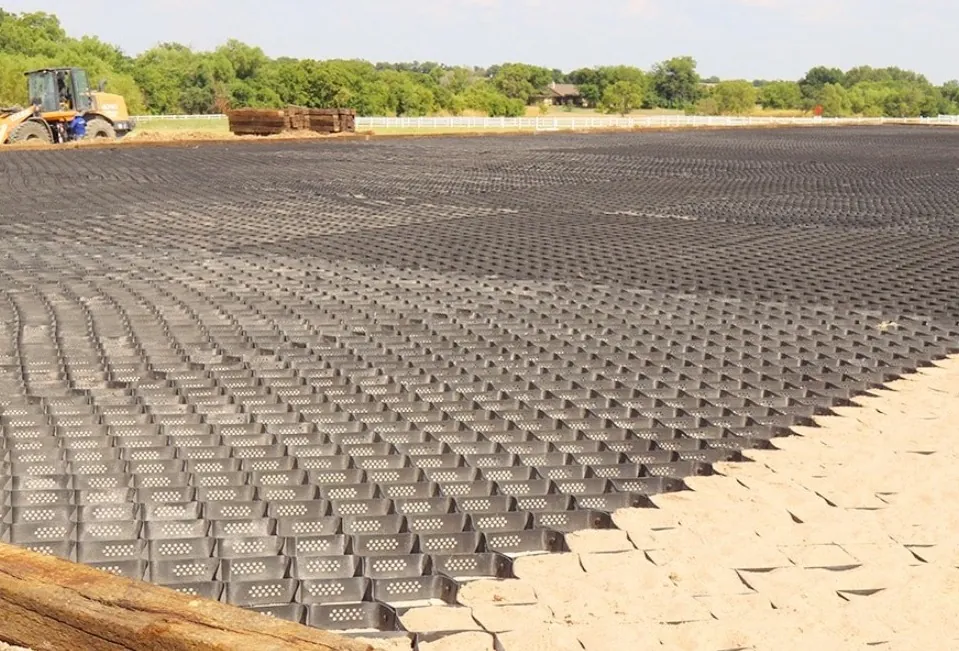
Geocells are three-dimensional honeycomb panels, opened out on the ground and filled with soil, aggregate or concrete. The cell walls confine the fill, which raises its stiffness and holds it on a slope. Applications include slope protection, channel lining, load support on soft ground and retaining structures.
Vertical Drains (PVD)
Band drains that speed up consolidation of soft clay under embankments.
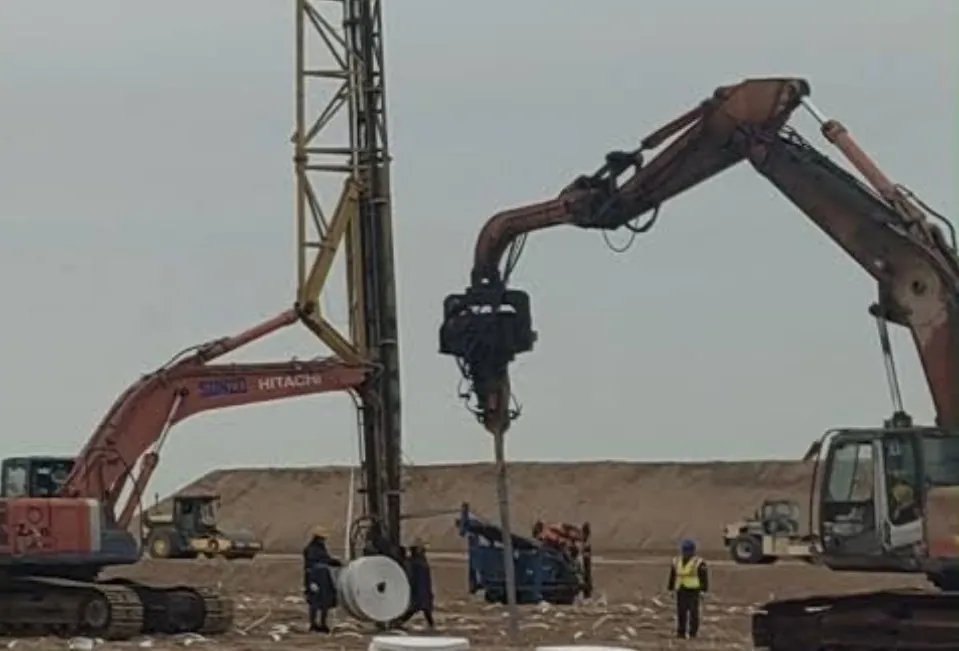
Band drains are pushed vertically into soft clay on a grid. Water in the clay then travels a short horizontal distance to the drain, instead of a long vertical distance to the surface, so consolidation settlement completes in months rather than years. A working platform and a drainage blanket on the surface complete the system.
Geotextile Mats
Cushion and filter layers beneath armour stone, gabions and liners.
Thick, non-woven geotextile mats go beneath armour stone, gabion mattresses and geomembranes. They filter the soil, protect the layer above from the ground and cushion against puncture by stone. Mat weight is chosen for the stone size and the drop or placement method.
Organic Geotextiles
Coir and natural fibres that hold soil while vegetation takes root.
Coir and other natural fibres are woven or needled into mats and rolls. They hold the soil surface and retain moisture during the first growing seasons, and they degrade as vegetation takes over. They suit lower-risk slopes and banks where a permanent synthetic layer is not required.
Geodrain Systems
Drainage cores in filter fabric for wall backfill and structures.
A geodrain is a drainage core wrapped in filter fabric. It collects water behind retaining walls, basement walls and abutments, and carries it to an outlet. The core keeps its flow capacity under load. Compared with a stone drain it is thin and quick to install.
Pavement Reinforcement
Grids and fabrics in flexible pavements where subgrade CBR is low.
On a low-CBR subgrade, grids and fabrics improve the performance of a flexible pavement. A grid reinforces the base, a fabric separates the base from the subgrade, and a paving fabric under an overlay slows reflective cracking. The details are set against the traffic and the subgrade strength.
In the ground
Four functions of a geotextile.
Separation
Keeps aggregate and soft subgrade from mixing, so layers keep their thickness.
Filtration
Lets water pass while holding soil particles in place.
Drainage
Carries water within the plane of the fabric, away from the structure.
Reinforcement
Carries the tensile load that soil alone cannot.
Where this family works
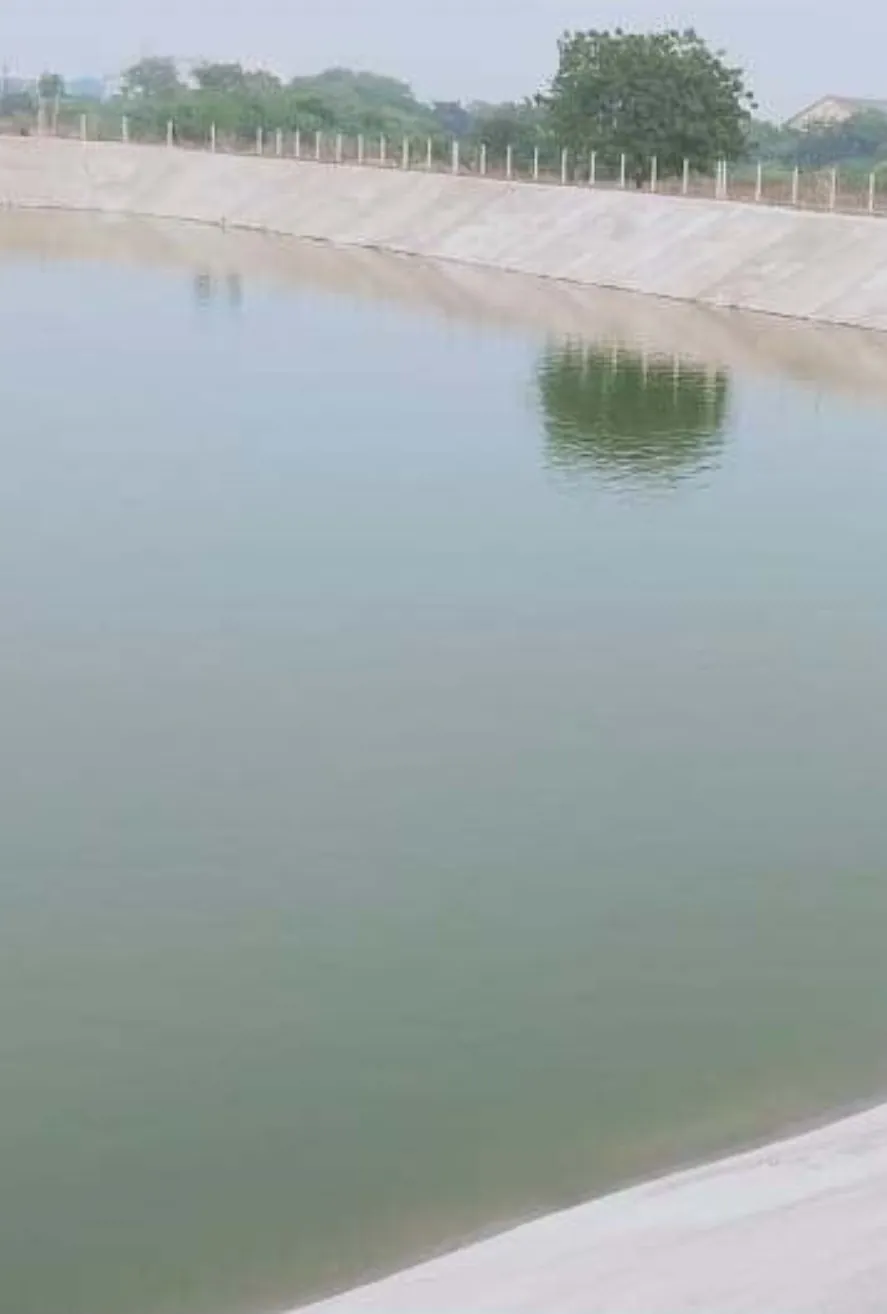
Rivers, Canals & Irrigation
Bank protection, canal lining, check dams and pier scour protection.
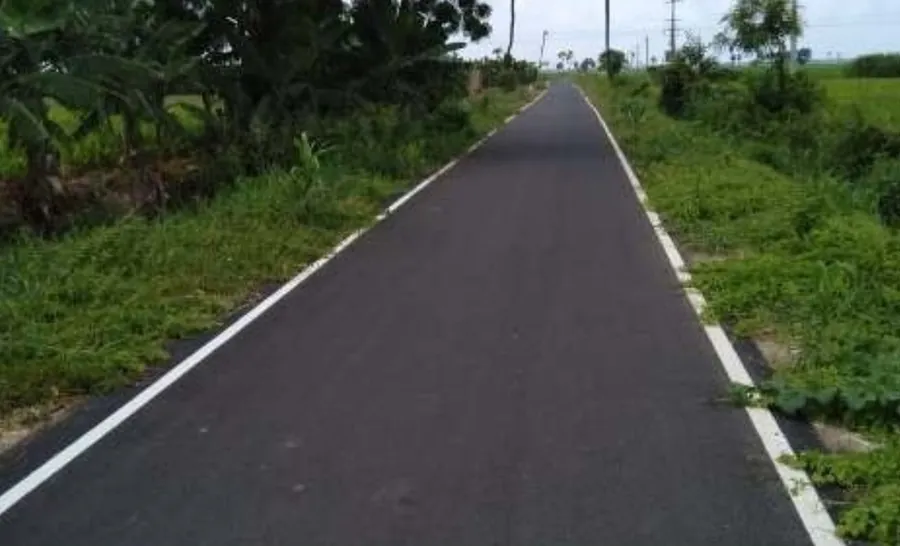
Roads, Highways & Rail
RS walls and embankments, weak-subgrade stabilisation and cut-slope protection.
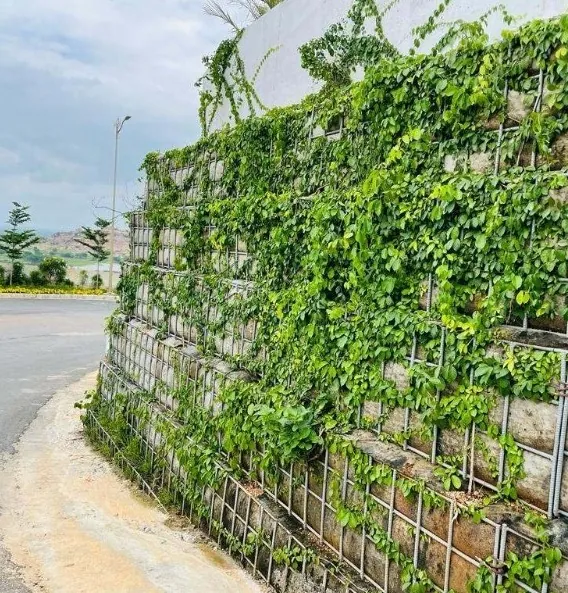
Industrial & Urban
Retaining structures, ground improvement, ponds and pipeline protection.
Planning geosynthetics works?
Send the plan or section, the soil or rock report and the design loads. We typically respond within one working day.